
Electrical safety is one of the most important parts of any property, from homes to offices. It’s crucial to be aware of the danger present in your property’s wiring if not properly inspected and maintained.
At HTS Electrical, we specialise in EICR reports (electrical installation certificate reports) for homes and businesses. We offer a range of inspection and testing services to help property owners and landlords maintain electrical safety standards, including Electrical installation Condition Reports (EICR), Thermographic Surveys, Portable Appliance Testing (PAT), Emergency Lighting & Fire Detection Inspections, and Visual Inspections to make sure your devices are of a satisfactory condition and no potential danger remains.
In this blog, we’ll go over the ins and outs of electrical safety checks, EICR reports, keeping your property safe, and the legal requirement to provide tenants with a safe place to live.
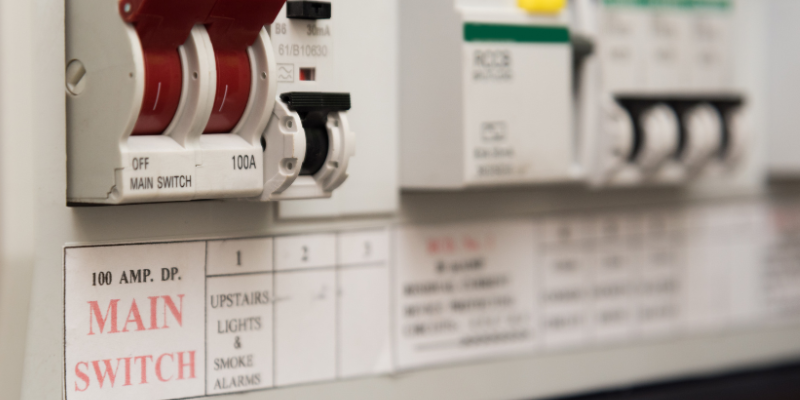
Electrical Safety Checks: What Are They?
Electrical safety checks are crucial for preventing electrical hazards and ensuring the safety of occupants in both residential and commercial properties. Regular electrical safety checks can help identify potential electrical faults and safety concerns, reducing the risk of electric shocks and fires.
Electrical safety checks involve inspecting electrical installations, including fixed electrical installations, electrical appliances, and electrical systems. This can include washing machines, electric showers, extractor fans, and other devices.
The purpose of electrical safety checks is to ensure compliance with electrical safety standards and regulations, such as the Electrical Installation Condition Report (EICR).
The Importance of an Electrical Installation Condition Report (EICR)
An Electrical Installation Condition Report (EICR) is a document that outlines the condition of electrical installations in a property. EICRs are typically required for rental properties and are usually valid for 5 years, although this may vary depending on the property and local regulations.
The report highlights any electrical faults, safety concerns, or potential hazards that need to be addressed to ensure the property is safe for the continued use of occupants.
EICRs are an essential tool for landlords, housing associations, and property owners to demonstrate compliance with electrical safety regulations.
What Does An Electrical Safety Check Involve?
Electrical safety checks involve a thorough inspection of electrical installations, including wiring, sockets, light fittings, and consumer units. The checks aim to identify any electrical faults, damage, or wear and tear that could pose a risk to occupants.
Electrical safety checks also includes visual inspections, live tests, and other testing procedures to ensure the electrical system is safe and functioning correctly.
Regular electrical safety checks can help prevent electrical accidents, reduce the risk of fires, and ensure compliance with electrical safety standards. If the inspection reveals that items or wiring is not in safe working order, so remedial action can be taken to repair them by a registered electrician from HTS Electrical.
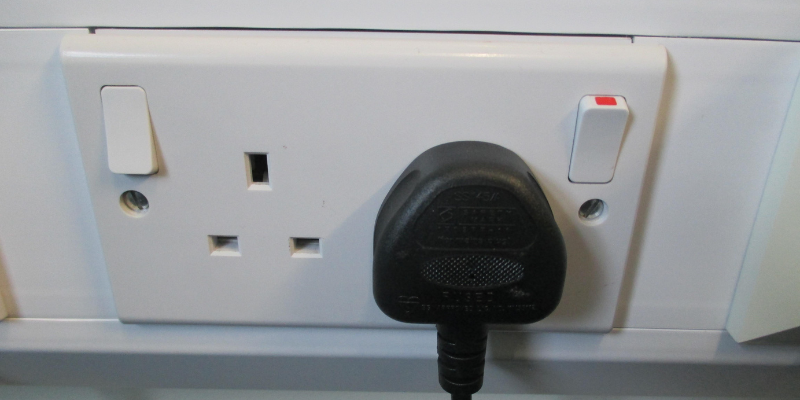
Electrical Appliances & Electrical Safety
Electrical appliances, including portable appliances, must be safe and compliant with electrical safety standards. Portable Appliance Testing (PAT) is a procedure you can book with a registered electrician for testing portable electrical appliances to ensure they are safe for use.
Electrical appliances can pose a risk if there are faults found, they are poorly maintained, or fault codes appear on their screens. Some of these risks can be immediately dangerous and remedial work is then legally required to fix this.
Property owners and landlords are responsible for ensuring electrical appliances are safe and compliant with regulations for a new tenant and existing tenants, and must produce a previous EICR.
Electrical Safety Inspection: The Basics
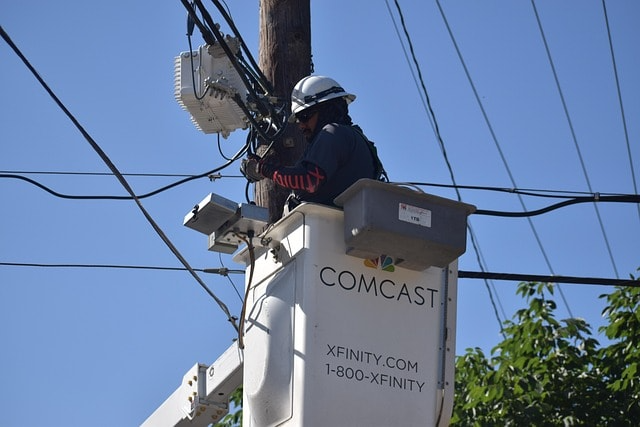
An electrical safety inspection is a visual examination of electrical installations to identify any potential hazards or safety concerns.
Electrical safety inspections from HTS Electrical includes checking wiring, sockets, light fittings, and consumer units for damage, wear and tear, or faulty components. Regular electrical safety inspections can help prevent electrical accidents and ensure compliance with electrical safety standards.
Consumer Unit (Fuse Box): Legal Requirement For Safety
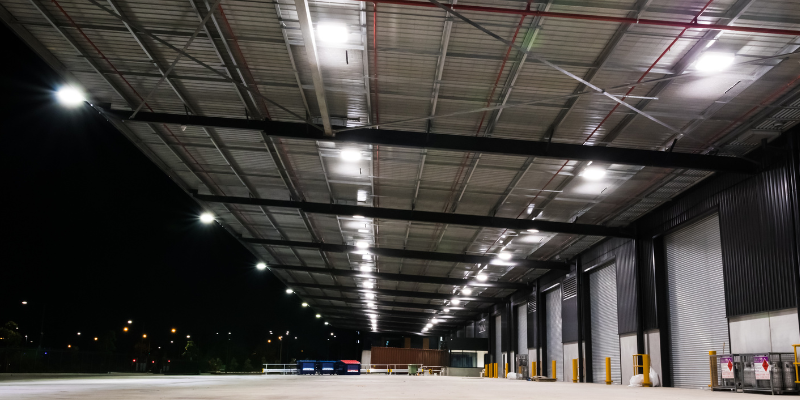
A consumer unit, also known as a fuse box, is the main distribution board for a property’s electrical supply. These units must be safe, compliant with regulations, and properly maintained to prevent electrical accidents.
Property owners, landlords (private rented sector), and housing associations must ensure consumer units are safe and compliant with regulations set out by your local authority by providing an up-to-date electrical safety report when asked.
Housing Associations: Responsibilities For Safety
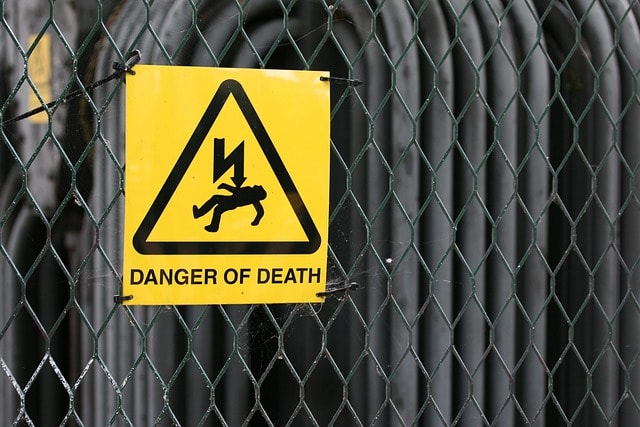
Housing associations have a responsibility to ensure properties are safe and compliant with electrical safety standards, and regular electrical safety checks are essential for housing associations to demonstrate compliance with regulations.
Housing associations must ensure properties meet the necessary electrical safety standards, including PAT testing and EICRs. Failure to comply with electrical safety regulations can result in fines, penalties, and even legal action.

Hiring A Qualified Electrician
Only a qualified electrician should carry out electrical safety checks as they have the necessary skills, knowledge, and experience to carry out electrical safety checks, further investigation, and take immediate action if an electrical check comes up faulty.
Property owners, landlords, and housing associations must ensure they use a competent person registered with a recognized body, such as NICEIC or ELECSA, to carry out electrical safety checks. Competent persons can provide certification, such as EICRs, to demonstrate compliance with electrical safety standards.
Need Advice On Your Electrical Safety?
Remedial Repair Work From HTS Electrical
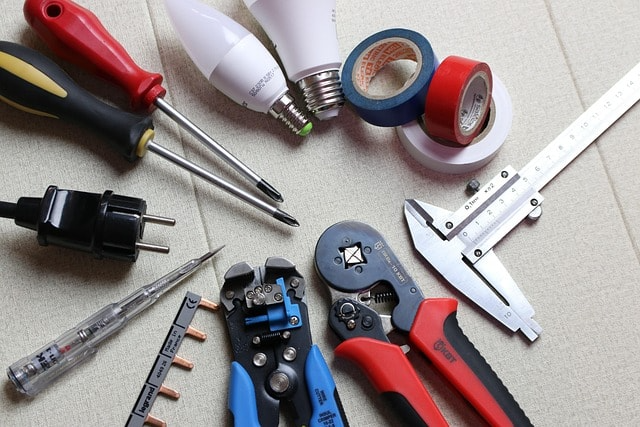
Remedial repair work refers to the necessary repairs or maintenance required to ensure electrical installations are safe and compliant with regulations. Non compliance leads to remedial repair work which may include replacing faulty components, rewiring, or upgrading electrical installations.
Our team of skilled qualified electricians are on hand to help you with any electrical safety checks you need. Contact us today for a quote or to get advice